Discover Roof Lights for Improved Airflow
Installing a Skylight: Step-by-Step Tips for Homeowners
Skylight installation is a practical way to enhance both natural light and ventilation in a home. The intricacy of the process is frequently underestimated by homeowners. Picking the correct skylight type and confirming exact measurements are essential early steps. With the right tools and materials, the installation can proceed smoothly. However, common pitfalls may arise, leading to complications. Being aware of these factors can significantly impact the outcome of a successful installation. What comes next in this essential guide?
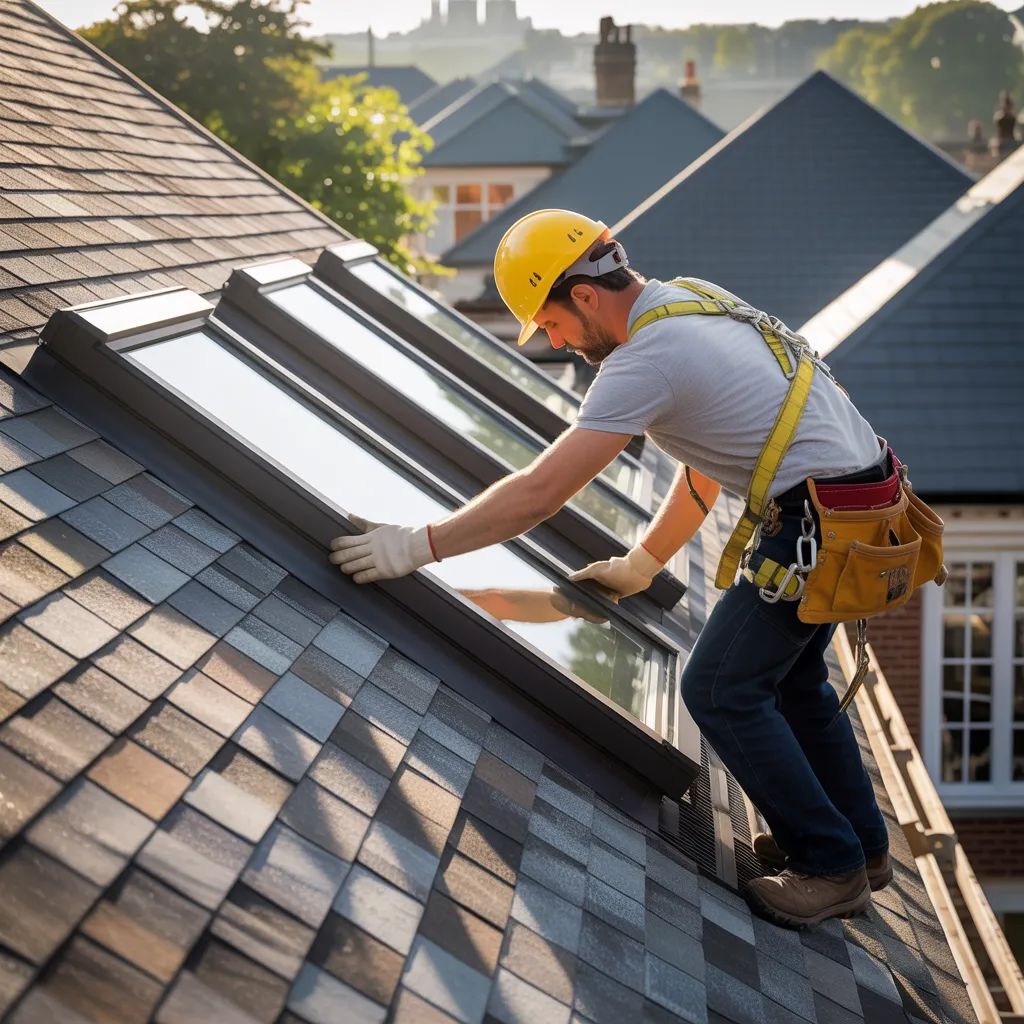
Understanding Skylights: Why They Matter for Your Home
Skylights function as portals to the sky, flooding homes with natural light and enhancing overall ambiance. These structural elements not only illuminate interiors but also establish a sense of openness that improves the overall design. By integrating skylights, homeowners can decrease dependence on artificial lighting, resulting in potential energy savings. The abundance of natural light can favorably influence mood and well-being, leaving spaces feeling more inviting and cheerful.
Moreover, skylights can boost air circulation, permitting heated air to flow out while cooler air streams in. This effortless ventilation promotes a more agreeable indoor climate, most notably during the summer months. Moreover, strategically placed skylights can highlight specific areas, like decorative pieces or structural elements, enhancing the visual appeal of the living space. In summary, recognizing the advantages of skylights enables homeowners to value their contribution to a balanced living space, combining utility with aesthetic appeal.
Finding the Best Skylight for Your Home
Picking the best skylight for a house requires several essential elements. An overview of skylight options, energy efficiency factors, and visual features can assist homeowners reach educated selections. Every element proves critical in boosting both functionality and visual appeal.
Skylight Types Summary
When considering a skylight for a home, understanding the various types available is important for making a well-informed decision. Skylights generally fall into three categories: fixed, vented, and tubular. Fixed skylights are inoperable and are designed to add light and aesthetics. Vented skylights can be opened to allow fresh air and enhance airflow, making them well-suited for rooms like kitchens and bathrooms. Tubular skylights, often called sun tunnels, are designed for smaller spaces and funnel sunlight along reflective tubes, delivering daylight where larger skylights cannot fit. Each type has specific benefits, and homeowners should consider their particular needs and the planned installation area to identify the most appropriate choice for their home.
Energy Efficiency Aspects
A detailed analysis of energy effectiveness is essential for homeowners planning to install skylights. Choosing the ideal skylight involves understanding factors such as glazing options, frame materials, and Energy Star ratings. Double or triple-pane units with low-emissivity (Low-E) coatings minimize heat transfer, improving insulation and lowering energy costs. Homeowners ought to also evaluate the positioning and direction of the skylight to optimize natural light intake while limiting heat gain in hotter seasons. Ventilating skylights can improve airflow and reduce reliance on air conditioning. Additionally, choosing energy-efficient models can qualify homeowners for potential rebates or incentives, thereby increasing the long-term value of the installation. In summary, well-informed choices regarding energy efficiency significantly enhance the overall benefits of skylight installation.
Aesthetic Design Considerations
The visual impact of skylights can greatly enhance a home's indoor and outdoor visual appeal. When choosing a skylight, homeowners should evaluate factors such as scale, configuration, and aesthetic to ensure compatibility with the home's established design components. For instance, oversized skylights can produce a striking impression, while petite alternatives work well in snug environments. The glazing selection also plays a significant role; transparent glass allows for optimal sunlight, whereas tinted or frosted versions offer privacy. Additionally, frame materials, such as wood or metal, should align with the home's overall design scheme. Ultimately, the right skylight not only elevates a room's ambiance but also contributes to the home's curb appeal, making well-considered selections vital for visual harmony.
Essential Tools and Materials for Skylight Installation
Successful skylight installation requires a particular collection of instruments and resources to guarantee a secure and efficient process. Key tools encompass a tape measure to ensure exact sizing, a level to ascertain proper alignment, and a utility knife for accurate trimming. A drill is essential for making guide holes, while roofing nails and a hammer anchor the skylight assembly. Protective equipment, including gloves and goggles, is likewise critical for shielding against likely risks.
Installation materials are comprised of the skylight unit along with flashing for leak prevention and sealant for waterproofing. Additionally, a sturdy ladder is important for accessing the installation site safely. Depending on the roofing material, shingles or underlayment may also be required. Gathering these tools and materials beforehand will streamline the installation process, helping to avoid delays and guaranteeing a successful outcome.
Complete Step-by-Step Instructions for Installing Your Skylight
Commence by identifying the ideal position for the skylight, making sure it aligns with the structural integrity of the roof and optimizes daylight. Following this, measure the measurements of the designated skylight and mark the perimeter on the roof. Precisely remove the roof surface, taking care to avoid any structural elements.
Once the opening is created, frame the skylight using 2x4s to ensure structural stability and support. Fit a flashing kit along the perimeter of the opening to stop water from seeping in, verifying that it extends over the surrounding roofing materials.
Install the skylight within the framed opening, securing it according to the manufacturer's guidelines. Seal any gaps with the proper sealant to ensure waterproofing.
To complete the process, reinstall the roof covering around the skylight, making sure it fits securely. On the inside, finalize the trim and drywall as required, wrapping up the installation while allowing pour into the room.
Fixing Typical Skylight Installation Concerns
Throughout the process of installing skylights, several common issues can arise that might affect the overall success of the project. Installation leaks, inadequate sealing methods, and misplaced flashing are common issues that can lead to significant problems if not addressed promptly. Understanding how to troubleshoot these issues is essential for a successful skylight installation.
Leaks That Occur During Installation
Tackling leaks throughout skylight installation is critical for ensuring a watertight seal and preventing future damage. Homeowners should first inspect the flashing and underlayment for any gaps or misalignments that could lead to water intrusion. Accurate alignment of the skylight inside the roof opening is paramount; even a slight tilt can worsen leaks. In the course of the installation process, utilizing superior sealants and flashing materials is suggested to offer an added layer of safeguard against moisture. Moreover, looking for any debris or obstructions that might restrict drainage around the skylight is highly recommended. Routine evaluations following installation can assist in detecting potential problems before they worsen, preserving the long-term durability of the skylight and the adjacent roofing structure.
Poor Sealing Techniques
Leaks during installation frequently result from improper sealing techniques, which makes it important to understand common pitfalls. One typical oversight is applying insufficient sealant, potentially creating gaps that allow water intrusion. Homeowners should also verify that the sealant works well with both the skylight material and the roofing surface. Furthermore, failing to properly spread and smooth the sealant may create vulnerable areas that compromise the installation. At times, selecting an inappropriate sealant, such as caulk instead of a flexible roofing sealant, can exacerbate problems. Through awareness of these concerns, homeowners are able to implement preventive measures to ensure a completely sealed installation, effectively increasing the longevity of the skylight and reducing the risk of costly future repairs.
Improper Flashing Placement
Ensuring proper flashing placement is essential for a effective skylight installation. Incorrect flashing can lead to serious water leaks and structural damage, undermining the entire installation process. It is essential that the flashing properly overlaps with the roofing material to establish a water-resistant barrier. Homeowners should verify that the flashing is installed in accordance with the manufacturer's specifications and that it blends smoothly with existing roof features. Typical oversights consist of poor alignment, inadequate sealing at joints, and neglecting to use proper materials. Periodic examinations subsequent to installation can help identify underlying concerns promptly. Addressing these flashing concerns promptly can protect homeowners against significant repair costs and ensure the long-term performance of their skylight. Careful consideration of flashing matching information will support a durable and efficient skylight installation.
Skylight Care Tips for Long-Lasting Performance
Regular upkeep is crucial for extending the life of a skylight. Homeowners should regularly inspect the skylight for signs of wear, such as cracks or discoloration in the glass. Cleaning the skylight at least twice a year helps prevent dirt build-up that can obscure light and impact aesthetics. A gentle soap solution and a soft cloth are adequate for this task.
Examining the flashing and seals is critical to stop leaks from occurring. Residents should verify that these areas are undamaged and clear of debris. If problems are identified, addressing repairs quickly can avoid costly water damage.
In addition, trimming branches that hang over can minimize debris from collecting and decrease the risk of damage during harsh weather events. To conclude, arrange for inspections by professionals every couple of years to verify that the skylight is maintained in peak condition. By adhering to these guidelines, residents can make the most of their skylights for a long time.

Frequently Asked Questions
Should I Install a Skylight on My Own, or Is It Better to Hire a Professional?
Figuring out whether to handle skylight installation personally or bring in a professional depends on the individual's skill level and experience. When in doubt, seeking advice from a professional can ensure correct installation and prevent possible structural complications.
When Is the Ideal Time of Year for Skylight Installation?
The optimal time for skylight installation is in spring or early fall. These seasons generally provide mild weather, reducing the risk of rain or snow, and providing ideal working conditions and reliable sealing of the skylight.
How Much Should You Expect to Pay for Skylight Installation?
Skylight installation generally runs between $1,000 and $3,000, based on factors including size, material, and installation complexity. Homeowners ought to factor in extra costs related to permits and necessary roofing repairs when planning their budget.
Does Installing a Skylight Influence My Home's Energy Efficiency?
Installing a skylight can boost a home's overall energy performance by permitting natural light to decrease the need for artificial lighting. That said, poor installation or inadequate insulation may lead to excessive heat loss or gain, affecting overall efficiency.
What Permits Are Required for Skylight Installation?
Local building permits are typically required for the installation of skylights. Property owners need to verify with their municipality to ensure compliance with specific regulations, including structural assessments and zoning laws, ensuring compliance with safety and energy efficiency standards.